
Imagine standing on an elevated terrace in the cool, crisp air of dawn, watching the morning mist slowly lift from a vast emerald plain. As the first rays of the sun pierce the horizon, they illuminate a breathtaking sight. Thousands of ancient brick spires, golden domes, and majestic temple towers stretching as far as the eye can see. This is Bagan, historically known as Pagan, a mesmerizing archaeological treasure located on the eastern banks of the Ayeyarwady River in central Myanmar. Fittingly crowned as the “City of Pagodas,” Bagan stands as one of the world’s greatest testaments to religious devotion and architectural brilliance.
The Birth of a Sacred Landscape
The story of Bagan began in the 9th century, but its golden age truly ignited in 1044 when King Anawrahta ascended the throne. He founded the Pagan Kingdom, unifying the regions that would eventually form modern-day Myanmar. Driven by a passionate conversion to Theravada Buddhism. King Anawrahta and his successors transformed the arid plains into a sprawling center of spiritual study and culture.
For two and a half centuries, a massive construction boom took place across the 40-square-kilometer plains. Kings, royal family members, and wealthy citizens built more than 10,000 Buddhist temples, pagodas, and monasteries to gain spiritual merit. This frantic era of building permanently changed the landscape. Requiring so much wood to fire the brick kilns that local forests disappeared. Today, while time, conflicts, and devastating earthquakes have taken their toll, more than 2,200 of these magnificent structures still stand, preserved beautifully in the Bagan Archaeological Zone.
Deciphering the Architecture: Stupas versus Temples
The monuments of Bagan are not all identical. They generally fall into two broad architectural styles, each serving a distinct religious function.
The Stupa-Style Solid Pagoda
The first style is the solid stupa or pagoda, locally known as a paya or zedi. These structures are typically cone-shaped or bell-shaped and built over a solid core. Because they have no interior rooms, they are designed to protect sacred Buddhist relics sealed deep inside. The layout of these pagodas often follows the shape of a mandala. Symbolizing the Buddhist cosmos with Mount Meru at the center.
The Gu-Style Hollow Temple
The second style is the hollow temple, known as gu. Unlike the solid pagodas, these are grand, multi-storied buildings featuring pointed arches, vaulted chambers, and entryways. They were built as active places of worship, meditation, and ritual. Stepping inside a hollow temple reveals massive corridors, beautifully preserved colorful frescoes depicting the lives of the Buddha, and colossal stone or bronze statues positioned to catch the natural light filtering through strategically placed windows.
Masterpieces of the Bagan Plains
While wandering through the thousands of ruins is an adventure in itself, a few specific monuments stand out for their size, beauty, and historical importance.
Shwezigon Pagoda
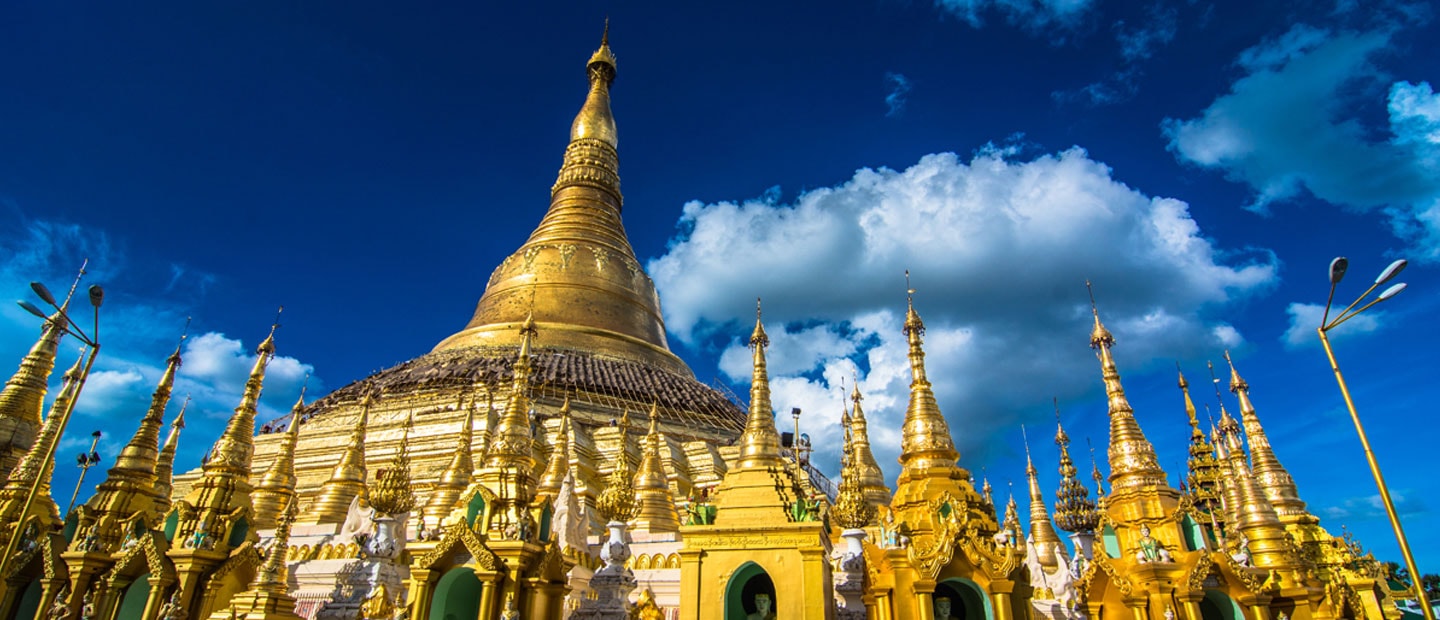
Started by King Anawrahta and completed by King Kyansittha, the Shwezigon Pagoda is the prototype for later Burmese pagodas. Its iconic bell-shaped structure is covered in brilliant gold leaf that shimmers under the tropical sun. It is a vital pilgrimage site because it houses several sacred relics of the Buddha, including a tooth and bone replica.
Ananda Temple
Widely considered the most beautiful and best-preserved temple in Bagan, Ananda was built in 1090. Its architectural layout resembles a Greek cross and is crowned with a gilded, corncob-like spire. Inside, four towering, 31-foot-tall teak wood standing Buddhas face the cardinal directions, capturing an ethereal aura that leaves visitors in absolute awe.
Dhammayangyi Temple
The largest monument on the plains is the imposing Dhammayangyi Temple. Built by the ruthless King Narathu in the late 12th century, it is famous for its exceptionally fine brickwork. Legend says the king would cut off the hands of any mason if a single needle could fit between the tightly placed bricks. Its dark history gives the massive, fortress-like structure a uniquely mysterious and dramatic atmosphere.
A Living Legacy of Peace
What truly sets Bagan apart from many other global archaeological sites is that it is not merely a museum of dead stone. It remains a living, breathing legacy. Local communities, monks, and international pilgrims visit these temples daily, removing their shoes to pray, lighting incense, and leaving fresh floral offerings at the feet of ancient statues.
Exploring the dusty paths of Bagan by electric scooter or watching hot air balloons float peacefully over the sea of spires at sunrise is a deeply spiritual experience. The City of Pagodas serves as a profound reminder of humanity’s capacity to build monuments of enduring peace, beauty, and timeless devotion.